
Caritas MADDO under TRACCSA project has introduced an innovative approach to help farmers strengthen their resilience against the effects of climate change. Over the past three to four years, maize farmers have struggled with increasingly unpredictable rainfall patterns. This inconsistency has led to significant variations in the amount and distribution of rainfall received each season.
Traditionally, the first planting season running from late February to June provides reliable rains. However, recent observations show that rain now falls for only about two months. Maize, on the other hand, requires a continuous rainfall pattern of 90 to 120 days to grow effectively. This mismatch has resulted in poor germination, stunted growth, and reduced yields for many farmers.
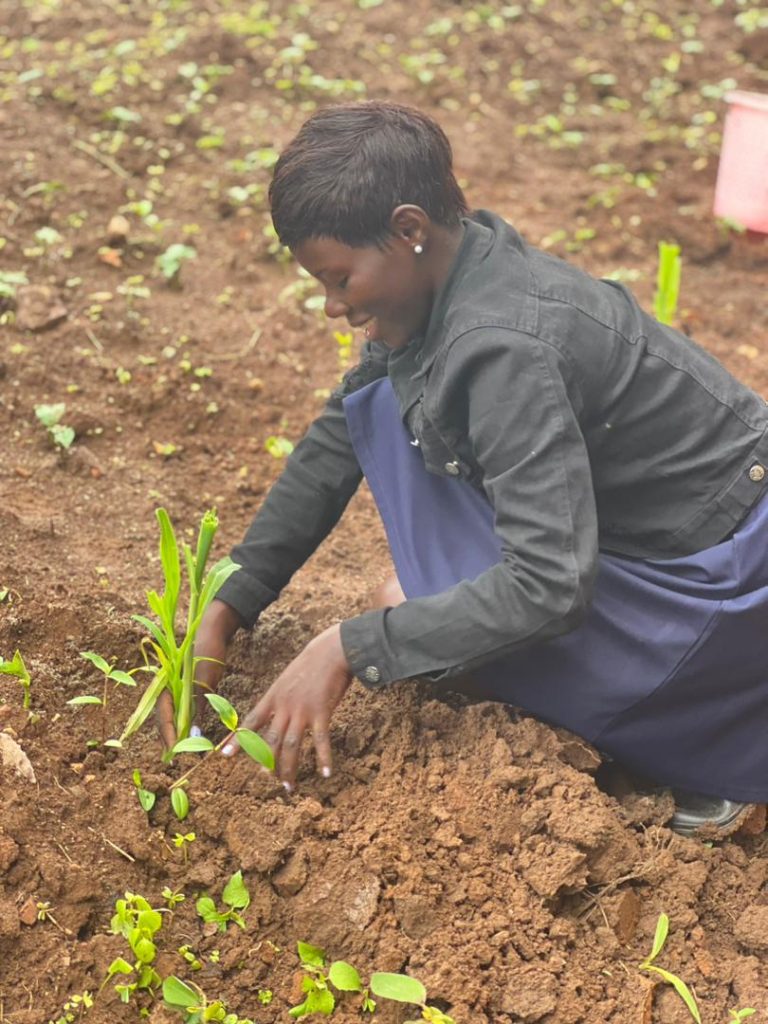
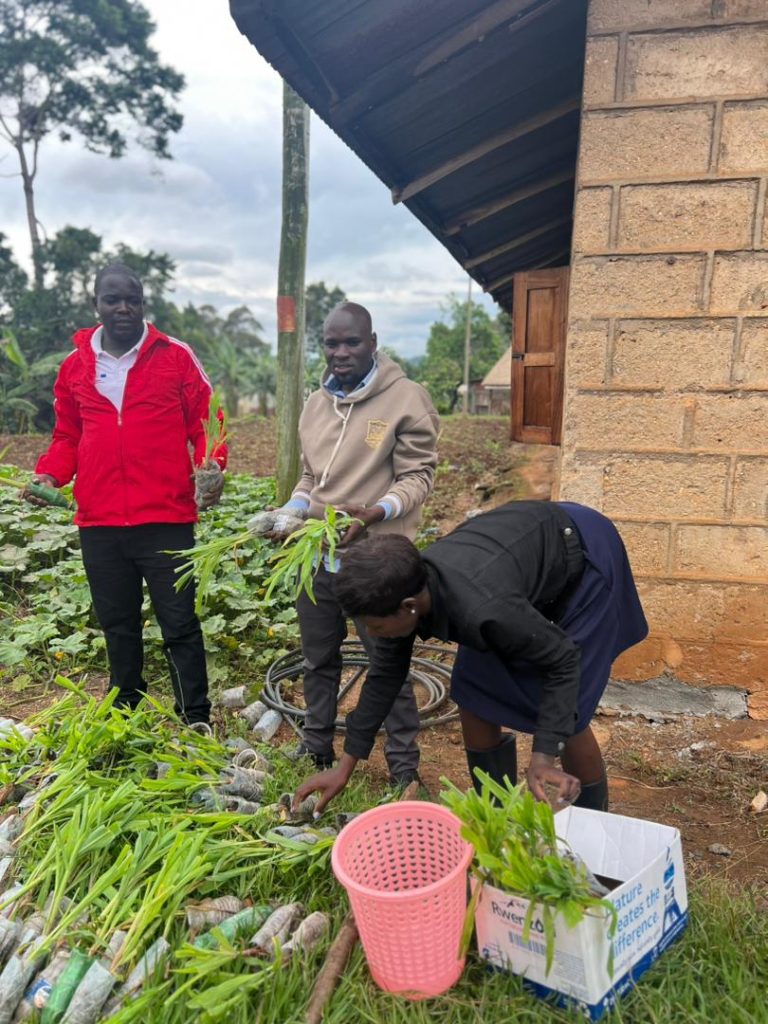
To address this challenge, Caritas MADDO introduced a new innovation: raising maize seedlings in nursery beds for 21 to 30 days before transplanting them into the main garden. This nursery preparation begins about one month before the expected start of the rainy season.
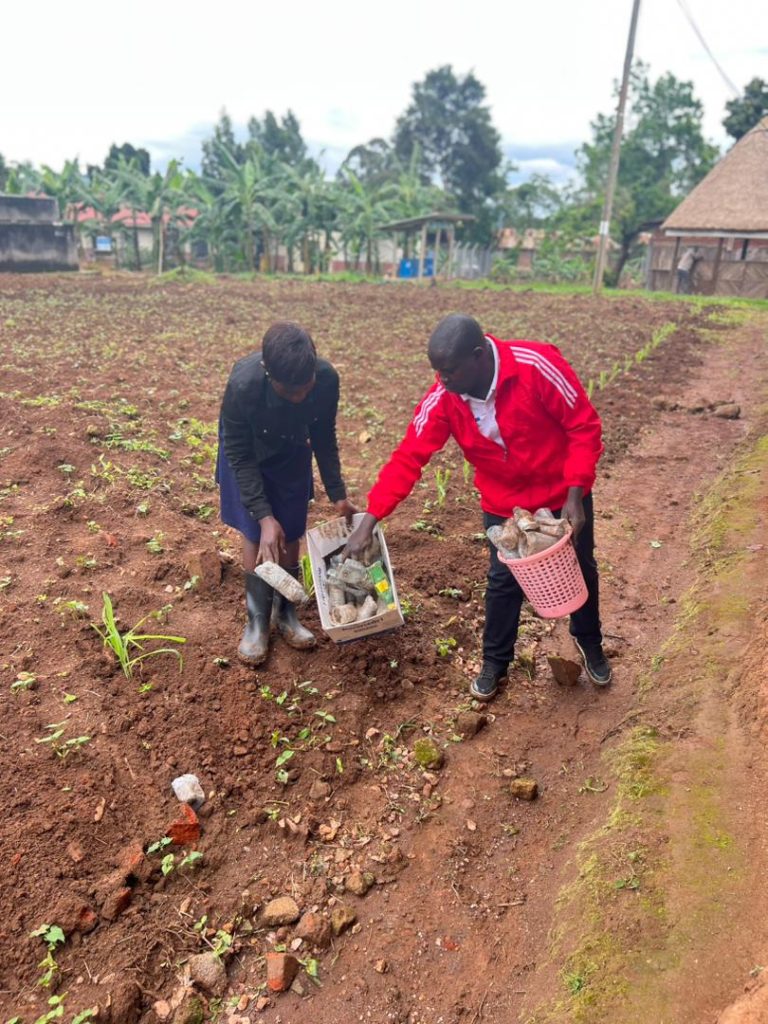
The innovation is also environmentally friendly. Farmers use discarded plastic water bottles as planting containers. Soil is filled into the bottles, three to four maize seeds are planted, and the containers are arranged in the nursery bed, where all the necessary management practices like: watering, weeding, and pest control are carried out.
After one month, the seedlings are transplanted to the main garden, and the plastic bottles are kept for reuse in the next planting season.
Advantages of the Innovation
1. Shortens the growth period in the main garden
The time maize spends in the field is reduced from about 90 days to 60 days, ensuring that the crop makes better use of the limited rainy period. This leads to improved growth and higher yields.
2. Reduces early pest damage
Nursery-raised seedlings are stronger and less vulnerable to pests that typically attack young maize plants immediately after germination.
3. Promotes environmental conservation
By reusing discarded plastic water bottles multiple times, the innovation helps reduce plastic waste and supports environmental sustainability.
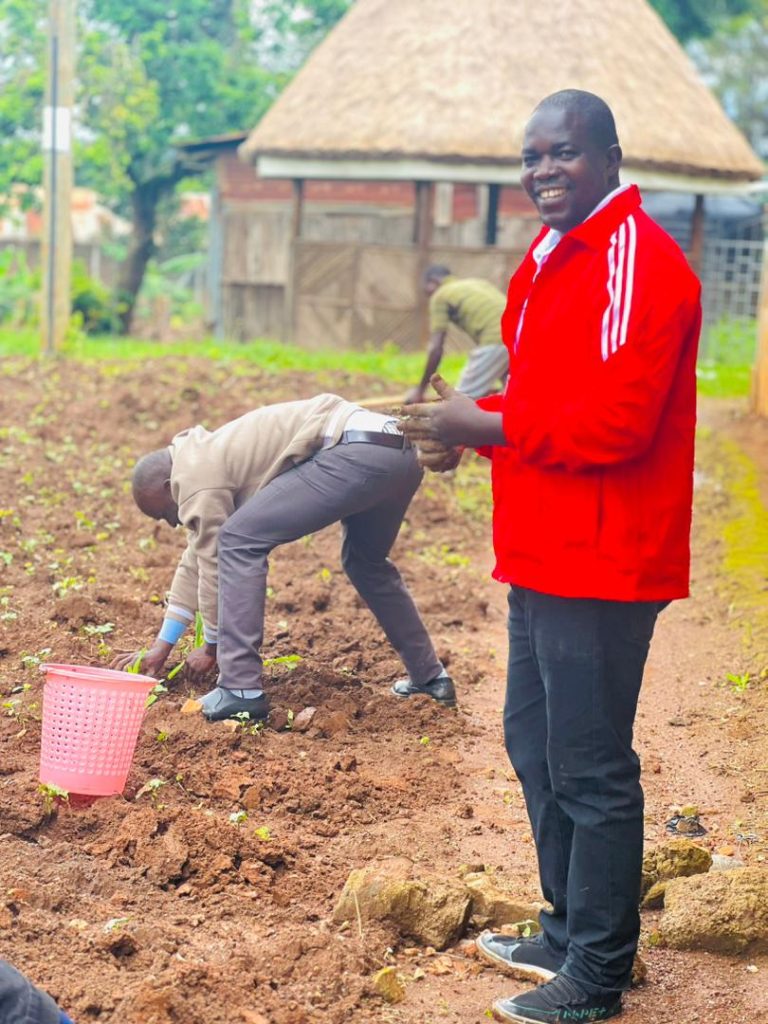
Thanks to Musoke Simon as seen in the picture who came up with this new climate smart agriculture practice
Caritas MADDO Innovation: Building Farmer Resilience Against Climate Change
Caritas MADDO under TRACCSA project has introduced an innovative approach to help farmers strengthen…
World day of the sick
World Day of the Sick Celebrated at Bikira Catholic Parish A Day of Compassion, Healing, and Hope On…
relief to Landslide
We Bring Relief to Landslide Victims in Kiziba Parish, Rakai District Caritas MADDO, a faith-based N…
handover
Farewell to a Visionary Leader, Welcome to a New Chapter at Caritas MADDO Farewell to a Visionary Le…
Sustainable Land Use and Rural Development at MRU
Organizers: We aimed this seminar at promoting sustainable agricultural practices and land use, Stre…
GENDER Transformation beanch mark
Caritas MADDO had a gender transformation bench mark. The representative team of the different pilla…
Good work to MADDO and applause to Musoke Simon
It’s such a good innovation that need to spread all over the community we’re working with.